
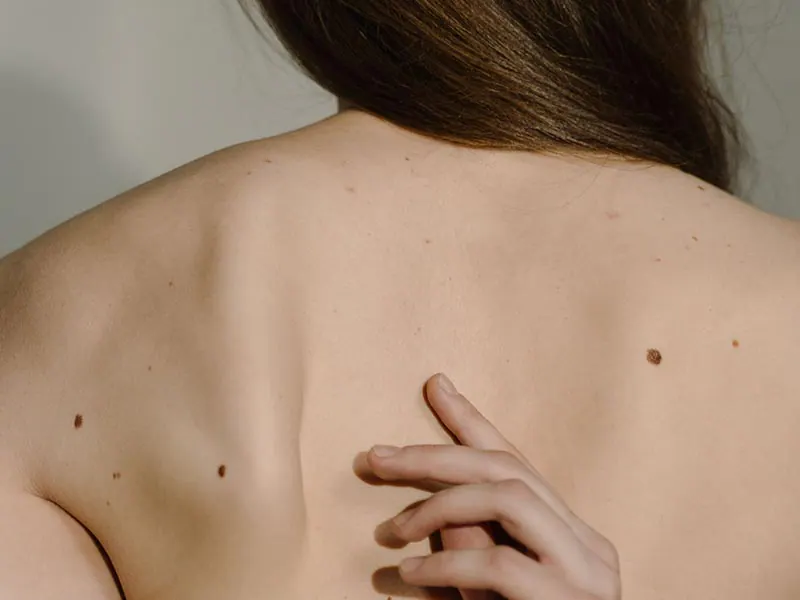
Skin Cancer Screening and Mole Checks in Hout Bay: When Should You Have a Skin Spot Examined?
Living in Hout Bay means enjoying an outdoor lifestyle surrounded by beaches, mountains and abundant sunshine. While time outdoors offers many health benefits, regular exposure to ultraviolet radiation can also increase the risk of sun damage and skin cancer.
Skin cancer can affect people of every skin tone, and suspicious changes are not always painful or immediately obvious. Regular self-checks and professional skin examinations can help identify concerning moles, spots and skin lesions earlier, when treatment may be simpler and more effective. CANSA recommends checking your skin regularly and seeking medical advice promptly when a mole or spot changes or appears unusual.
Hout Bay Family Medical Clinic offers skin assessments and skin cancer screening for patients concerned about new, changing or persistent areas on the skin.
What Is a Skin Cancer Screening?
A skin cancer screening is a medical examination of the skin to identify moles, marks, growths or lesions that may require monitoring, testing or further investigation.
During the consultation, the doctor may examine a specific area that concerns you or assess multiple areas of sun-exposed skin. Depending on the findings, the doctor may recommend observation, a skin biopsy, removal of a suitable lesion or referral to a dermatologist.
Most moles and skin spots are harmless. The purpose of screening is to identify the smaller number that may require closer attention.
Which Skin Changes Should Be Checked?
Arrange a medical assessment when you notice:
- A new mole or growth;
- A mole changing in size, shape or colour;
- A spot with an irregular border;
- Several colours within one lesion;
- A sore that does not heal;
- A lesion that repeatedly crusts or bleeds;
- A rough, scaly or persistently tender patch;
- A lump that continues growing;
- Persistent itching or irritation in one area; or
- A spot that looks noticeably different from your other moles.
The ABCDE guide is commonly used to identify warning signs in pigmented moles:
A – Asymmetry: one half looks different from the other.
B – Border: the edges appear uneven, blurred or irregular.
C – Colour: the mole contains different shades or develops a colour change.
D – Diameter: the spot is increasing in size or is larger than expected.
E – Evolving: the mole changes in appearance, texture, elevation or symptoms.
A lesion does not need to meet every ABCDE feature to deserve medical attention. Any new or evolving skin change should be assessed when it concerns you.
Skin Cancer Can Affect Every Skin Tone
Although people with fair skin, light eyes, a tendency to burn and extensive sun exposure may have a higher overall risk, skin cancer can occur in people of all skin tones.
In darker skin, melanoma may sometimes occur in areas that receive less direct sunlight, including the palms, soles of the feet, beneath the nails and in other less visible locations. These areas should also be included in regular skin self-checks.
Who May Benefit from Regular Skin Checks?
Professional skin screening may be particularly valuable for people who:
- Spend significant time working or exercising outdoors;
- Have experienced repeated sunburn;
- Have fair skin or burn easily;
- Have many moles or freckles;
- Have a personal or family history of skin cancer;
- Have previously had suspicious or abnormal lesions;
- Use medication that suppresses the immune system;
- Have noticeable sun damage; or
- Have a mole or spot that is changing.
Cape Town residents can remain exposed to significant ultraviolet radiation even on cooler, windy or partly cloudy days. UV exposure can also be intensified by reflection from water, sand and other bright surfaces.
What Happens During a Mole Check?
Your doctor will ask about the lesion, when you first noticed it and whether it has changed. Relevant information may include previous sunburn, family history, earlier skin cancers and the amount of time you spend outdoors.
The area will then be carefully examined. The doctor may also look at nearby skin or other areas when clinically appropriate.
Following the assessment, the doctor may recommend:
- Monitoring the spot for changes;
- Photographing or measuring it;
- Reviewing it again after a defined period;
- Performing a skin biopsy;
- Removing a suitable lesion; or
- Referring you to a dermatologist or plastic surgeon.
A visual assessment cannot always confirm the exact diagnosis. A biopsy may be required when tissue needs to be examined by a laboratory.
What Is a Skin Biopsy?
A skin biopsy involves removing a small sample of tissue from a suspicious lesion under local anaesthetic. The sample is sent to a pathology laboratory for microscopic examination.
Biopsies can help distinguish between harmless lesions, inflammatory skin conditions, precancerous changes and skin cancer. The procedure recommended will depend on the size, location and appearance of the lesion.
Hout Bay Family Medical Clinic can assess whether an in-practice biopsy is appropriate or whether specialist referral is preferable.
Common Types of Skin Cancer
The main forms of skin cancer include:
Basal Cell Carcinoma
Basal cell carcinoma often develops on sun-exposed areas and may appear as a shiny bump, persistent sore or patch that repeatedly bleeds or crusts. It usually grows slowly but can damage surrounding tissue if left untreated.
Squamous Cell Carcinoma
Squamous cell carcinoma may appear as a rough, scaly, tender or crusted growth. It can develop from areas of significant sun damage and may spread if it is not treated.
Melanoma
Melanoma begins in pigment-producing cells and can be more aggressive than other common skin cancers. It may appear as a new pigmented lesion or as a change in an existing mole, although melanomas are not always dark in colour.
How Often Should You Check Your Skin?
Become familiar with the usual appearance of your skin and examine it regularly from head to toe. Use a mirror or ask someone you trust to help check difficult areas such as your back, scalp and behind your ears.
CANSA recommends monthly self-examination and annual professional mole or skin analysis, particularly for people with additional risk factors. Your doctor can advise on an appropriate screening schedule based on your personal history.
Reducing Sun Damage in Hout Bay
Skin cancer prevention remains important throughout the year, not only during summer.
Practical protective measures include:
- Seeking shade when ultraviolet levels are strongest;
- Wearing protective clothing;
- Using a broad-brimmed hat;
- Applying broad-spectrum sunscreen to exposed skin;
- Reapplying sunscreen after swimming or sweating;
- Wearing sunglasses that provide UV protection;
- Avoiding intentional tanning; and
- Protecting children carefully from sunburn.
The World Health Organization advises combining shade, clothing and sunscreen rather than relying on sunscreen alone.
Arrange a Skin Cancer Screening in Hout Bay
Do not wait for a mole or skin spot to become painful before having it examined. Many concerning lesions cause few or no symptoms during their early stages.
Hout Bay Family Medical Clinic provides skin cancer screening, mole checks, skin biopsies and assessment of suspicious or changing skin lesions. Our doctors can examine the area, advise on the next steps and arrange specialist referral where required.
Contact Hout Bay Family Medical Clinic to arrange a skin check or mole assessment in Hout Bay.