
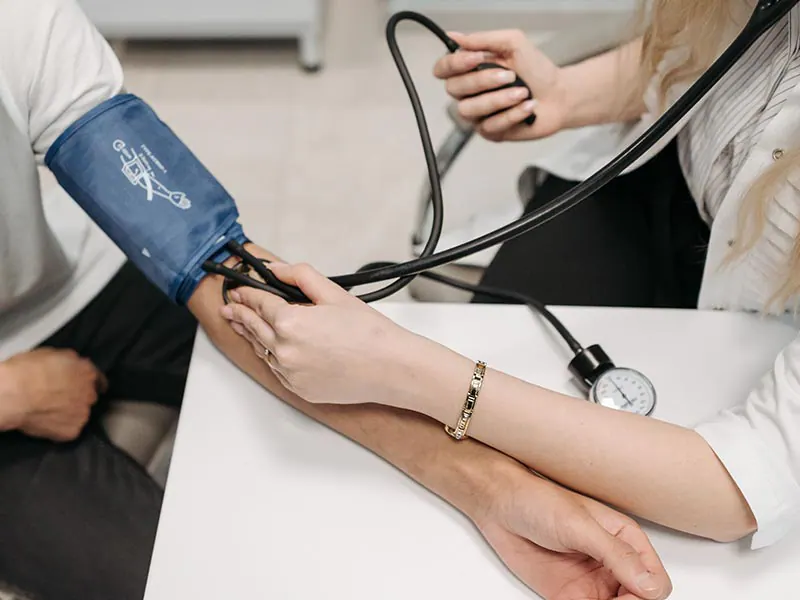
High Blood Pressure: The Silent Health Risk Hout Bay Residents Should Not Ignore
High blood pressure can affect people for years without causing obvious symptoms. A person may feel healthy, remain active and have no idea that the pressure inside their blood vessels is placing additional strain on the heart, brain, kidneys and circulatory system.
This is why hypertension is often called a “silent killer”. The only reliable way to know whether your blood pressure is elevated is to have it measured.
Hout Bay Family Medical Clinic provides blood pressure checks, cardiovascular risk assessments and ongoing hypertension management for adults in Hout Bay and the surrounding community. Early detection and consistent treatment can significantly reduce the risk of serious long-term complications.
What Is High Blood Pressure?
Blood pressure is the force of circulating blood against the walls of the arteries. It is recorded using two numbers, such as 120/80 mmHg.
The first number is the systolic pressure, which measures the pressure when the heart contracts and pumps blood. The second is the diastolic pressure, which measures the pressure while the heart relaxes between beats.
Hypertension occurs when blood pressure remains consistently elevated over time. A single high reading does not always mean that a person has hypertension, as stress, pain, caffeine, illness and physical activity can temporarily affect the result.
A doctor may repeat the measurement during the consultation or recommend home or ambulatory monitoring before confirming a diagnosis.
Why Is Hypertension Called a Silent Condition?
Most people with high blood pressure experience no noticeable warning signs. Headaches, dizziness and other symptoms are sometimes attributed to hypertension, but these are not reliable indicators and may only occur when blood pressure is severely elevated.
Regular testing is therefore essential. The World Health Organization confirms that checking your blood pressure is the best way to determine whether it is high.
According to the Heart and Stroke Foundation South Africa, more than one in three South African adults lives with high blood pressure. It is associated with approximately one in every two strokes and two in every five heart attacks in the country.
Why Does High Blood Pressure Matter?
When the pressure inside the arteries remains elevated, the heart must work harder to circulate blood around the body. Over time, this can damage blood vessels and important organs.
Uncontrolled hypertension can increase the risk of:
- Heart attack;
- Stroke;
- Heart failure;
- Chronic kidney disease;
- Vision problems;
- Damage to blood vessels;
- Cognitive decline; and
- Premature death.
The risk becomes greater when hypertension occurs alongside other conditions such as diabetes, high cholesterol, obesity or kidney disease. Early detection, regular monitoring and sustained treatment can prevent many hypertension-related complications.
Who Is at Risk of High Blood Pressure?
Anyone can develop hypertension, but the likelihood generally increases with age.
Risk factors may include:
- A family history of high blood pressure;
- Increasing age;
- A diet high in salt or processed foods;
- Being overweight;
- Limited physical activity;
- Smoking;
- Regular or excessive alcohol consumption;
- Chronic stress;
- Poor-quality sleep;
- Obstructive sleep apnoea;
- Diabetes;
- High cholesterol;
- Chronic kidney disease; and
- Certain medicines or medical conditions.
Some risk factors, such as age and family history, cannot be changed. Others can often be improved through lifestyle changes, appropriate treatment and ongoing medical support.
Can Stress Cause High Blood Pressure?
Stress can temporarily raise blood pressure by increasing the heart rate and narrowing blood vessels. Persistent stress may also contribute indirectly through poor sleep, reduced physical activity, unhealthy eating, smoking or increased alcohol use.
However, hypertension should not simply be dismissed as “stress”. A person with repeated high readings still requires proper assessment, even when they are experiencing a demanding period at work or home.
Stress management may form part of treatment, but it does not replace blood pressure monitoring or prescribed medication.
Does High Blood Pressure Cause Headaches?
Most people with mild or moderate hypertension do not experience headaches. Headaches can have many causes, including dehydration, tension, migraine, sinus problems, sleep disruption and illness.
Very high blood pressure may sometimes cause symptoms such as:
- Severe headache;
- Blurred vision;
- Chest pain;
- Shortness of breath;
- Dizziness;
- Confusion;
- Nausea; or
- Nosebleeds.
The World Health Organization notes that severely elevated readings—often around 180/120 mmHg or higher—may be accompanied by symptoms and require urgent medical attention.
How Often Should You Have Your Blood Pressure Checked?
Adults should have their blood pressure measured periodically, even when they feel completely well.
More frequent checks may be appropriate if you:
- Are over 40;
- Have previously had a high reading;
- Have diabetes or high cholesterol;
- Have heart or kidney disease;
- Are overweight;
- Smoke;
- Have a family history of hypertension or stroke;
- Are pregnant;
- Take medication that may affect blood pressure; or
- Have already been diagnosed with hypertension.
Your doctor can advise how often testing is appropriate based on your individual health and risk factors.
What Happens During a Blood Pressure Check?
For the most accurate result, you should ideally sit quietly for several minutes before the reading is taken. Your back should be supported, your feet should rest on the floor and your arm should be positioned at approximately heart level.
The cuff must be an appropriate size and placed correctly around the upper arm.
Your doctor may repeat the measurement if the first result is elevated. Readings may also differ between arms, and further monitoring may be recommended when results are inconsistent.
Avoiding exercise, smoking and caffeine shortly before the appointment may help produce a more representative reading.
What Is White-Coat Hypertension?
Some people have higher readings in a medical practice because they feel anxious during the consultation. This is sometimes called white-coat hypertension.
Others have acceptable readings in the practice but elevated pressure during everyday life, known as masked hypertension.
Home or 24-hour ambulatory blood pressure monitoring can help determine whether readings remain elevated outside the medical setting. Even white-coat hypertension may require monitoring because it can still be associated with future cardiovascular risk.
What Tests May Be Needed?
When hypertension is suspected or diagnosed, your doctor may consider additional assessments to identify related risks, complications or possible underlying causes.
These may include:
- Blood glucose or HbA1c testing;
- Cholesterol testing;
- Kidney-function tests;
- Electrolyte testing;
- Urine testing;
- Weight and waist measurement;
- An ECG;
- Assessment of smoking and alcohol use;
- Review of medication; and
- Evaluation of overall cardiovascular risk.
South Africa’s national hypertension guidance emphasises screening, appropriate management, ongoing monitoring and referral from primary care where necessary.
Can High Blood Pressure Be Reduced Without Medication?
Lifestyle changes can have a meaningful effect on blood pressure and overall cardiovascular health. For some patients with mildly elevated readings and a lower overall risk, lifestyle changes may initially be recommended alongside close monitoring.
Helpful measures may include:
Reduce Salt Intake
A high-salt diet is associated with elevated blood pressure. Salt is found not only in the salt shaker but also in bread, processed meat, sauces, stock powders, savoury snacks, takeaway foods and many packaged products.
The Heart and Stroke Foundation South Africa recommends limiting total salt intake to approximately 5 grams—about one teaspoon—from all sources each day.
Using herbs, spices, garlic, lemon and other flavourings can help reduce reliance on salt.
Remain Physically Active
Regular activity can strengthen the heart, support weight management, reduce stress and improve blood pressure.
Hout Bay provides many opportunities for walking, hiking, swimming, cycling and other forms of movement. Exercise should be introduced gradually and tailored to your fitness and medical history.
Speak to your doctor before beginning intense exercise if you have very high blood pressure, chest symptoms or an existing heart condition.
Maintain a Healthy Weight
Carrying excess weight can increase the workload on the heart and contribute to hypertension, diabetes and high cholesterol.
Even a modest, sustainable reduction in weight may improve blood pressure in some patients. Healthy weight management should focus on long-term eating and activity habits rather than extreme diets.
Stop Smoking
Smoking damages blood vessels and significantly increases the risk of heart attack and stroke. It can also cause a temporary rise in blood pressure and heart rate after each cigarette.
Stopping smoking is one of the most important steps a person can take to protect cardiovascular health. A family doctor can provide practical smoking-cessation support and discuss suitable treatment options.
Limit Alcohol
Regular or excessive alcohol consumption can raise blood pressure and contribute to heart failure, abnormal heart rhythms and stroke.
Patients who drink alcohol should discuss safe limits with their doctor based on their health, medication and individual risk.
Prioritise Sleep and Stress Management
Poor sleep and chronic stress can make blood pressure more difficult to control. Persistent snoring, daytime sleepiness or witnessed pauses in breathing may suggest sleep apnoea and should be assessed.
Practical stress-management strategies may include regular exercise, improved sleep routines, counselling, realistic workloads and reducing reliance on alcohol or tobacco.
When Is Blood Pressure Medication Needed?
Lifestyle changes remain important for everyone with hypertension, but many patients also need medication to bring their blood pressure into a safer range.
Medication may be recommended based on:
- The level of the blood pressure;
- Repeated readings over time;
- Age;
- Overall cardiovascular risk;
- Diabetes;
- Kidney disease;
- Previous heart attack or stroke;
- Signs of organ damage; and
- Response to lifestyle changes.
Some patients need more than one medicine because different treatments work in complementary ways.
Blood pressure medication controls hypertension but does not necessarily cure the underlying tendency. It should not be stopped when readings improve unless a doctor specifically advises this.
Why Is It Important to Take Medication Consistently?
Hypertension often produces no symptoms, which can make it tempting to skip treatment once a person feels well. However, medication works by keeping pressure controlled even when no symptoms are present.
Missing doses or stopping treatment can allow blood pressure to rise again and increase long-term risk.
Tell your doctor if you experience side effects, struggle to remember doses or cannot afford a prescribed medicine. The treatment plan may be adjusted rather than abandoned.
Monitoring Blood Pressure at Home
Home monitoring can help your doctor understand how your blood pressure behaves between appointments.
Use a validated upper-arm monitor with the correct cuff size. Follow the manufacturer’s instructions and measure your blood pressure while seated and rested.
It may help to record:
- The date and time;
- The blood pressure reading;
- Your pulse;
- Medication taken;
- Symptoms; and
- Any unusual stress, illness or activity.
Avoid repeatedly checking your pressure every few minutes because anxiety may affect the readings. Follow the schedule recommended by your doctor.
Hypertension During Pregnancy
High blood pressure during pregnancy requires careful medical monitoring because it may affect both the mother and baby.
Pregnant patients should seek prompt assessment for:
- A severe or persistent headache;
- Visual disturbances;
- Sudden swelling;
- Pain beneath the ribs;
- Shortness of breath;
- Nausea or vomiting later in pregnancy; or
- A high blood pressure reading.
Do not start, stop or change blood pressure medication during pregnancy without medical guidance, as some medicines may not be suitable.
When Is High Blood Pressure an Emergency?
Seek urgent medical attention if a very high blood pressure reading is accompanied by:
- Chest pain;
- Severe shortness of breath;
- Sudden weakness or numbness;
- Difficulty speaking;
- Confusion;
- Loss of vision or major visual disturbance;
- A severe or unusual headache;
- Seizure;
- Fainting; or
- A sudden deterioration in health.
These symptoms may indicate a stroke, heart problem or hypertensive emergency. Do not wait for a routine appointment or submit an online enquiry.
Blood Pressure Checks in Hout Bay
Hout Bay Family Medical Clinic provides preventative screening and ongoing management for patients with high blood pressure and related cardiovascular risks.
Care may include:
- Blood pressure measurement;
- Confirmation and monitoring of hypertension;
- Home blood pressure guidance;
- Cardiovascular risk assessment;
- Cholesterol and diabetes screening;
- Kidney-function testing;
- ECG and heart-health assessment;
- Medication initiation and review;
- Lifestyle and weight-management advice; and
- Referral for specialist investigation when required.
Because high blood pressure usually has no symptoms, checking it before problems develop is one of the simplest and most valuable steps you can take for your long-term health.
Contact Hout Bay Family Medical Clinic to arrange a blood pressure check, annual health assessment or hypertension-management consultation in Hout Bay.