
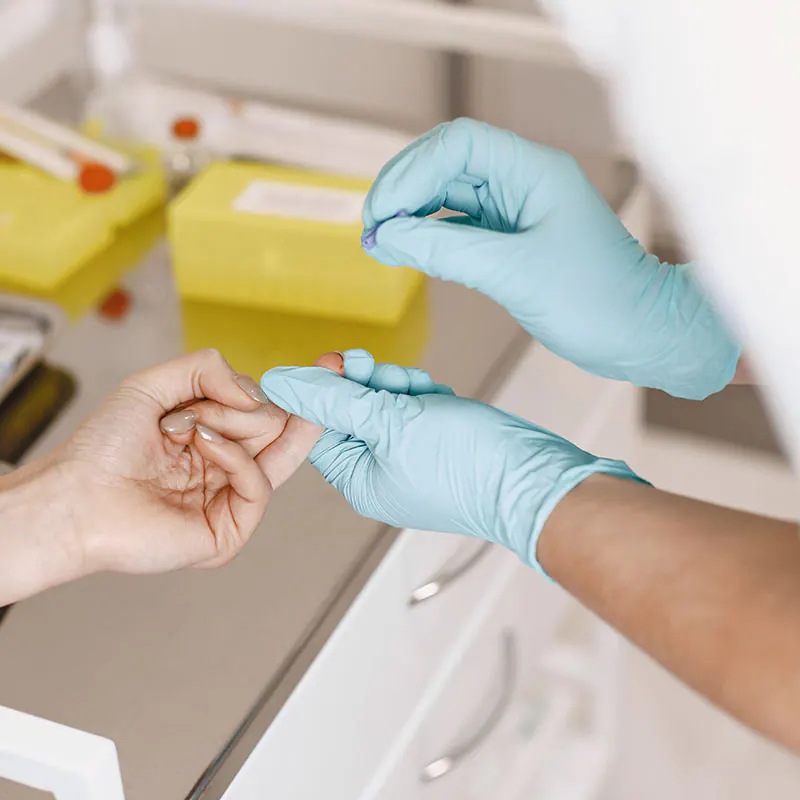
Diabetes and Prediabetes: Warning Signs and Screening in Hout Bay
Diabetes can develop gradually, and many people with prediabetes or type 2 diabetes experience few—or no—obvious symptoms in the early stages. This means raised blood sugar may go unnoticed until it is identified during a routine health check or has begun affecting other areas of health. Screening is therefore especially important for people with recognised risk factors, even when they feel generally well.
At Hout Bay Family Medical Clinic, our doctors can assess your personal risk, discuss any symptoms you may be experiencing and advise whether blood sugar testing is appropriate. Early identification allows patients to take practical steps to manage their health and reduce the likelihood of future complications.
What Is Prediabetes?
Prediabetes means that a person’s blood glucose level is higher than normal but has not yet reached the range used to diagnose type 2 diabetes. It should not be ignored, as it is associated with an increased risk of developing type 2 diabetes, heart disease and stroke. However, progression to diabetes is not inevitable, and appropriate lifestyle changes and medical support can make a meaningful difference.
Prediabetes usually does not cause clear symptoms. For many people, it is only discovered through a blood test performed as part of a routine check-up or because they have one or more risk factors.
Common Warning Signs of Diabetes
The symptoms of diabetes can vary, and type 2 diabetes may develop slowly over several years. Possible warning signs include:
- Feeling unusually thirsty
- Urinating more frequently than usual
- Persistent tiredness or low energy
- Unexplained weight loss
- Blurred vision
- Cuts or wounds that heal slowly
- Frequent or recurring infections
- Tingling or numbness in the hands or feet
Some people with type 2 diabetes experience no noticeable symptoms at all, which is why testing may be recommended based on risk rather than symptoms alone.
These symptoms can also be caused by other medical conditions. A proper medical assessment is important rather than trying to diagnose diabetes from symptoms alone.
Who May Be at Greater Risk?
Anyone can develop type 2 diabetes, but certain factors can increase the likelihood. These include:
- Being overweight or living with obesity
- Having a parent or sibling with type 2 diabetes
- Being physically inactive
- Being middle-aged or older
- Having high blood pressure
- Having previously been diagnosed with prediabetes
- Having experienced gestational diabetes during pregnancy
- Having polycystic ovary syndrome
- Having non-alcoholic fatty liver disease
Your doctor will consider these factors alongside your medical history, current health, medication and any symptoms you may have.
How Is Diabetes Screening Performed?
Diabetes and prediabetes are identified through blood glucose testing. Depending on your circumstances, your doctor may recommend a fasting blood glucose test, an HbA1c test or another appropriate investigation.
An HbA1c test provides an indication of average blood glucose levels over the preceding few months and does not usually require fasting. However, your doctor may request additional tests at the same time, some of which may require you to fast beforehand.
A single abnormal result does not always provide the full picture. Your doctor will interpret the result in context and may recommend repeat or confirmatory testing before making a diagnosis.
Why Early Detection Matters
When diabetes is not adequately controlled, persistently raised blood sugar can gradually damage blood vessels and nerves. This may increase the risk of heart disease, stroke, kidney disease, vision problems, nerve damage and foot complications.
Finding prediabetes or diabetes earlier creates an opportunity to address blood sugar levels before more serious complications develop. Management may involve changes to eating habits, regular physical activity, weight management, medication or a combination of approaches tailored to the individual.
Can Prediabetes Be Improved?
Prediabetes does not automatically mean that you will develop type 2 diabetes. Healthy, sustainable changes such as becoming more physically active, improving food choices and reducing excess weight where medically appropriate can lower the risk of progression.
The best approach is personalised. Extreme diets or sudden exercise programmes are not suitable for everyone, particularly people with existing health conditions. Your doctor can help you develop a realistic plan and may recommend support from another healthcare professional where needed.
When Should You See a Doctor?
Arrange a medical assessment if you have symptoms that may suggest raised blood sugar, particularly frequent thirst, increased urination, unexplained weight loss, persistent fatigue or blurred vision.
You should also consider discussing screening with your doctor when you feel well but have risk factors such as a strong family history, excess weight, high blood pressure, previous gestational diabetes or a history of prediabetes.
Seek urgent medical assistance when symptoms are severe or rapidly worsening, especially when excessive thirst and urination are accompanied by vomiting, abdominal pain, confusion, marked weakness, difficulty breathing or unusual drowsiness.
Diabetes Screening in Hout Bay
Hout Bay Family Medical Clinic provides general health assessments and ongoing support for patients who may be at risk of prediabetes or diabetes. A consultation may include a review of your symptoms, family and medical history, blood pressure, weight, current medication and appropriate blood tests.
Patients who are diagnosed with diabetes may also require ongoing monitoring of blood sugar, blood pressure, cholesterol, kidney health, eye health and feet, depending on their individual needs. Many diabetes-related complications can initially develop without noticeable symptoms, making regular follow-up an important part of long-term care.
Book a Health Check
Concerned about possible diabetes symptoms or unsure whether you should have your blood sugar checked? Contact Hout Bay Family Medical Clinic to arrange a consultation with one of our doctors.
Suggested button: Book a Diabetes Screening
This article provides general health information and is not a substitute for an individual medical consultation, examination or diagnosis.