
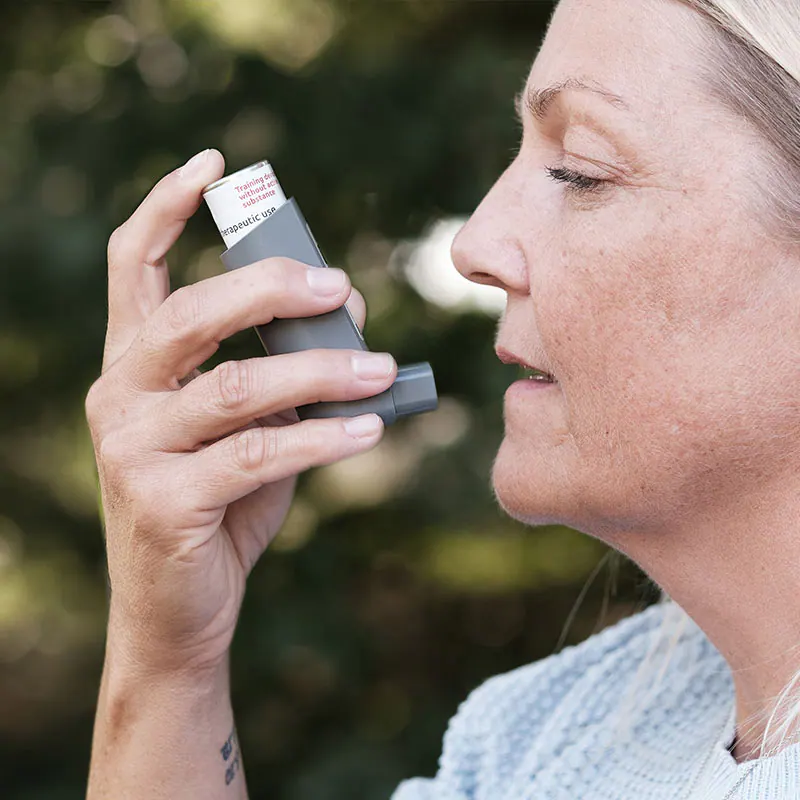
Asthma and Wheezing: When to Have a Lung-Function Test
Wheezing, persistent coughing, chest tightness and shortness of breath can make everyday activities uncomfortable and may interfere with exercise, work or sleep. Although these symptoms are commonly associated with asthma, they can also occur with respiratory infections, allergies and other conditions affecting the lungs or airways.
A lung-function test can provide objective information about how well air moves into and out of your lungs. At Hout Bay Family Medical Clinic, spirometry may be recommended when respiratory symptoms persist, recur or suggest that the airways are narrowing.
What Is Asthma?
Asthma is a long-term condition in which the airways become inflamed and may narrow at certain times, making it harder to breathe. Common symptoms include wheezing, coughing, shortness of breath and a feeling of tightness in the chest. Symptoms may be mild or severe and can vary considerably from one day to another.
Some people experience symptoms mainly at night, during exercise, in cold weather or after exposure to a particular trigger. Others may have long periods without symptoms followed by sudden flare-ups.
Asthma can affect people of any age. It may begin during childhood, but it can also develop for the first time in adulthood.
What Does Wheezing Sound Like?
Wheezing is usually described as a high-pitched or whistling sound when breathing, often heard most clearly while breathing out. It occurs when air moves through narrowed airways.
Not every person with asthma wheezes, and not every episode of wheezing is caused by asthma. Wheezing may also occur with:
- A viral respiratory infection
- Allergic reactions
- Chronic obstructive pulmonary disease
- Irritation from smoke or chemicals
- A foreign object in the airway
- Other heart or lung conditions
A proper medical assessment is therefore important, particularly when wheezing is new, recurrent or accompanied by breathlessness.
Common Asthma Symptoms
Possible asthma symptoms include:
- Recurrent wheezing
- A persistent or recurring cough
- Coughing that is worse at night or early in the morning
- Shortness of breath
- Chest tightness
- Difficulty breathing during exercise
- Coughing after exercise
- Symptoms triggered by cold air, dust, pollen, pets or smoke
- Repeated episodes described as bronchitis or chest infections
- Needing to stop or slow down during normal activities
Symptoms often vary over time. A person may breathe normally during a medical consultation even when asthma is present, which is one reason objective lung-function testing can be valuable.
What Is a Lung-Function Test?
Lung-function tests assess how effectively the lungs are working. The most commonly used test for suspected asthma is spirometry.
Spirometry measures:
- How much air you can breathe out
- How quickly you can empty air from your lungs
- Whether there is evidence of narrowed or obstructed airways
During the test, you take a deep breath and then blow into a mouthpiece as forcefully and completely as possible. The test is usually repeated several times to obtain reliable measurements.
In some cases, spirometry is performed before and after using a bronchodilator inhaler. An improvement after the medication may provide evidence that airway narrowing is reversible, which can support an asthma diagnosis.
When Should You Consider Spirometry?
A doctor may recommend a lung-function test when you experience:
- Wheezing that keeps returning
- A cough lasting longer than expected
- Breathlessness without a clear explanation
- Chest tightness
- Night-time coughing or wheezing
- Symptoms during or after exercise
- Frequent use of a reliever inhaler
- Repeated respiratory symptoms after exposure to allergens
- Recurring episodes diagnosed as bronchitis
- Reduced exercise tolerance
- Ongoing symptoms after a respiratory infection
Spirometry may also be helpful when asthma has already been diagnosed but symptoms are not adequately controlled, treatment needs to be reviewed or the diagnosis remains uncertain.
Persistent cough, wheezing or breathlessness—particularly when not clearly linked to a temporary cold—are common reasons to assess lung function.
Do You Need a Lung-Function Test for Every Wheeze?
Not necessarily. A short episode of wheezing during a viral illness may resolve without requiring spirometry, particularly in a young child. Your doctor will consider the duration and pattern of symptoms, age, examination findings and medical history before deciding whether testing is suitable.
Spirometry requires the patient to follow instructions and blow forcefully into the equipment. Many school-aged children can complete the test successfully, but it may be difficult to obtain reliable results from very young children.
Where spirometry is not appropriate or does not provide a clear answer, a doctor may consider other methods of assessment or arrange referral for additional testing.
What Can Trigger Asthma Symptoms?
Asthma triggers differ between individuals. Common triggers may include:
- Pollen, grass and seasonal allergens
- Dust mites
- Mould
- Animal dander
- Tobacco smoke
- Vaping
- Air pollution
- Strong fragrances or cleaning chemicals
- Cold or dry air
- Exercise
- Respiratory infections
- Workplace dust or fumes
- Stress and strong emotions
- Certain medicines in susceptible people
Cape Town’s changing seasons, winter respiratory infections, windy conditions and local vegetation may all contribute to symptoms in susceptible patients. Identifying the pattern of your symptoms can help your doctor assess likely triggers.
Keeping a short record of when wheezing or coughing occurs may be useful. Note whether symptoms happen at home, at work, outdoors, during exercise or at a particular time of day.
Exercise-Related Coughing and Wheezing
Some people develop coughing, breathlessness, chest tightness or wheezing during or shortly after exercise. Symptoms may be more noticeable when running, cycling or exercising in cold, dry air.
Exercise-related symptoms do not necessarily mean that physical activity should be avoided. Once the cause is identified and appropriately managed, many people with asthma can remain active and exercise normally.
A lung-function assessment may be appropriate when exercise symptoms are frequent, limit performance or require repeated use of a reliever inhaler. Some patients may require additional exercise or challenge testing when ordinary spirometry is normal despite a convincing symptom pattern.
Can Spirometry Be Normal When You Have Asthma?
Yes. Because asthma symptoms and airflow limitation can vary, spirometry may be normal when a person is not experiencing symptoms.
A normal result does not automatically rule out asthma. Your doctor may consider:
- Repeating spirometry when symptoms are present
- Testing before and after a bronchodilator
- Monitoring peak-expiratory flow over time
- Assessing the response to prescribed treatment
- Allergy testing
- Exhaled nitric-oxide testing
- Referral for specialist challenge testing
The appropriate next step will depend on the person’s symptoms, medical history and initial results.
What Is a Peak-Flow Test?
A peak-flow meter is a small handheld device that measures how quickly you can blow air out of your lungs. It may be used at home to monitor changes in airflow over several days or weeks.
Peak-flow readings can help identify patterns, including worsening airflow before symptoms become severe. However, peak-flow monitoring does not provide the same detailed information as spirometry and should be used according to your doctor’s advice.
Preparing for a Spirometry Test
The clinic will advise you how to prepare. Instructions may include:
- Wearing loose, comfortable clothing
- Avoiding a large meal immediately beforehand
- Avoiding strenuous exercise shortly before the test
- Not smoking or vaping before the appointment
- Bringing your inhalers and medication list
- Following specific instructions about inhaler use
Do not stop prescribed medication unless the clinic or your doctor specifically instructs you to do so. Certain inhalers may need to be withheld temporarily before testing, but this should only be done under appropriate guidance.
Spirometry is generally safe, although the forced breathing effort may briefly cause coughing, tiredness, dizziness or light-headedness.
What Happens After the Test?
Your doctor will interpret the results together with your symptoms, examination and medical history. Spirometry alone does not always establish the diagnosis.
Depending on the findings, the next step may include:
- Starting or adjusting asthma treatment
- Reviewing inhaler technique
- Identifying and reducing exposure to triggers
- Monitoring symptoms or peak-flow readings
- Ordering additional tests
- Investigating another possible cause
- Referring you to a pulmonologist or allergy specialist
When asthma treatment is prescribed, correct inhaler technique is essential. Medication cannot work effectively when it does not reach the airways properly.
Signs That Asthma May Not Be Well Controlled
Patients with diagnosed asthma should arrange a review when:
- Symptoms occur frequently
- Wheezing or coughing wakes them at night
- Exercise or daily activities are limited
- A reliever inhaler is needed more often
- Symptoms return soon after temporary improvement
- They have had an asthma attack or emergency visit
- Inhalers do not appear to be working
- They are unsure how to use their inhaler
- They have stopped treatment because they feel better
Coughing, wheezing and difficulty breathing may indicate that asthma is not adequately controlled and that the treatment plan should be reviewed.
When Is Wheezing an Emergency?
Seek urgent medical assistance when someone:
- Is severely short of breath
- Cannot speak comfortably in full sentences
- Is struggling visibly to breathe
- Has rapidly worsening wheezing or chest tightness
- Becomes confused, unusually drowsy or exhausted
- Develops blue or grey lips or fingertips
- Has little or no improvement after using prescribed reliever medication
- Experiences sudden wheezing with swelling of the face, lips or tongue
- Has wheezing after choking or possibly inhaling an object
Do not wait for a routine lung-function appointment when breathing difficulty is severe or worsening quickly.
Lung-Function Testing in Hout Bay
Hout Bay Family Medical Clinic provides spirometry and lung-function assessment for suitable adults and children experiencing persistent cough, wheezing, breathlessness or other respiratory symptoms.
Your consultation may include a review of your symptoms, triggers, allergy history, previous chest infections, smoking or vaping exposure, medication and family history. Where appropriate, spirometry can help your doctor evaluate airflow, investigate possible asthma and guide further management.
Book a Lung-Function Test
Experiencing recurring wheezing, persistent coughing or unexplained breathlessness? Contact Hout Bay Family Medical Clinic to arrange a medical consultation and determine whether spirometry is appropriate.
Suggested button: Book a Lung-Function Test
This article provides general health information and does not replace an individual medical consultation, examination, diagnosis or treatment plan.